Analog vs Digital Synths: What Really Matters for Techno
Warm, unstable, alive, or precise, flexible and endless? We break down how analog and digital synths really differ, what you can hear on a club system, and which one belongs in your techno studio.
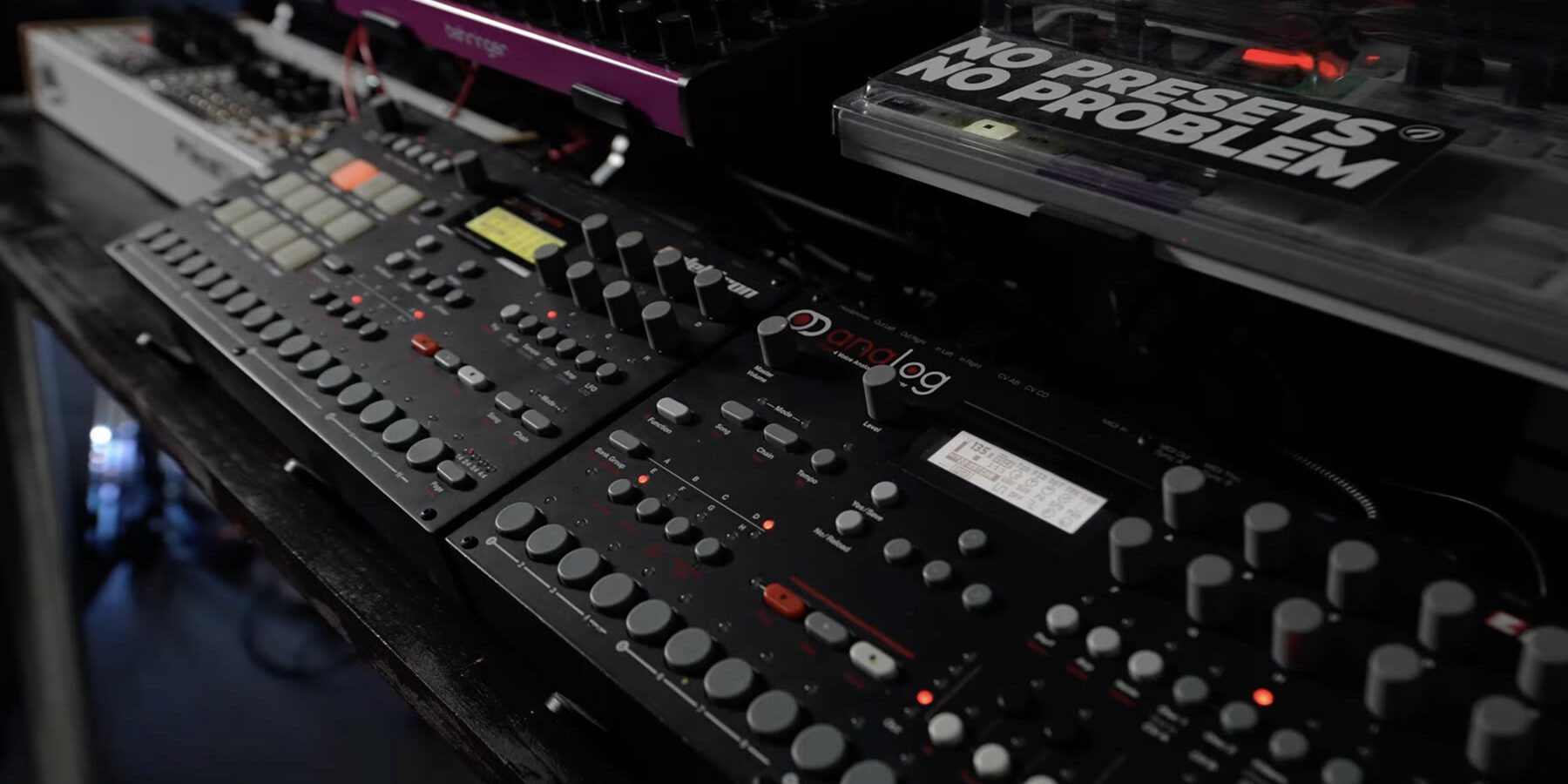
Few debates in electronic music last as long as analog versus digital. Some producers swear that only real voltage can deliver a proper techno bassline. Others make massive club tracks entirely inside a laptop. Both camps are right, and both are missing something.
In this guide we look at how analog and digital synths actually make sound, which differences you can really hear, and what that means for techno production in your studio.
The short answer
- Analog synths shape sound with continuous electrical voltages. They drift, saturate and never play the same note twice.
- Digital synths calculate sound with numbers. They are precise, flexible, polyphonic and easy to recall.
- In a dense techno mix, arrangement and sound design matter far more than the circuit. But analog character is real, especially in bass, kicks and filtered sequences.
How an analog synth makes sound
A classic analog synth is built from three core circuits: an oscillator (VCO) that generates the raw waveform, a filter (VCF) that removes or boosts frequencies, and an amplifier (VCA) shaped by envelopes. Everything is controlled by voltages that change continuously.
Because these circuits are made from real components with real tolerances, no two oscillators behave exactly alike. They drift slightly in pitch, react to temperature and interact with each other. Push a filter hard and it starts to saturate in a way that adds harmonics and weight.
That tiny instability is what many producers describe as “alive”. A repeated 16th note bassline on an analog synth never sounds exactly like a loop, and in hypnotic techno that subtle movement is gold.
How a digital synth makes sound
A digital synth generates sound with digital signal processing (DSP). The oscillator is a piece of code, the filter is an algorithm and every parameter is a number. That opens doors analog cannot:
- Virtual analog models classic circuits in code.
- Wavetable synthesis scans through complex waveforms for evolving, modern textures.
- FM synthesis creates metallic percussion, bells and gritty basses.
- Granular synthesis turns any sample into clouds, drones and glitches.
Digital synths can offer many voices, store hundreds of presets and sound identical every time you load a project. Early digital instruments could sound cold or harsh, but modern oversampling and circuit modelling have closed much of that gap.
The differences you can actually hear
| Quality | Analog | Digital |
|---|---|---|
| Character | Drift, saturation, warmth | Clean, precise, can be modelled |
| Stability | Pitch and timbre move slightly | Perfectly repeatable |
| Polyphony | Often mono or few voices | Many voices, cheap to add |
| Recall | Often no presets, knob positions matter | Instant preset recall |
| Sound design range | Deep but focused | Wavetable, FM, granular and more |
| Price and upkeep | Higher, needs care over time | Lower, software never breaks |
In blind tests, even experienced producers often struggle to tell a good emulation from the hardware on a single sound. The difference shows up more in how the instrument behaves while you play it: the way the filter reacts when you sweep it, how the drive thickens the low end, how small imperfections stack up across a whole track.
What matters for techno
Techno is a genre of repetition and slow change. That makes a few qualities especially important:
Bass and kicks
Analog circuits shine in the low end. A driven analog filter or a resonant kick from a drum machine delivers weight that sits naturally on a big system. Digital tools can get there, but you often need more processing to add that density.
Hypnotic sequences
Sequenced synth lines that repeat for minutes benefit from subtle variation. Analog drift and hands-on filter moves keep a loop breathing without any extra automation.
Metallic percussion and modern textures
Here digital wins. FM hats, wavetable sweeps and granular atmospheres are hard or impossible to get from a simple analog mono synth.
The mix
Once a track is mixed and mastered, the difference between a great analog patch and a great digital patch becomes small. What people hear on the floor is the groove, the arrangement and the energy. The best tool is the one that makes you finish tracks.
Hybrid synths: the best of both worlds
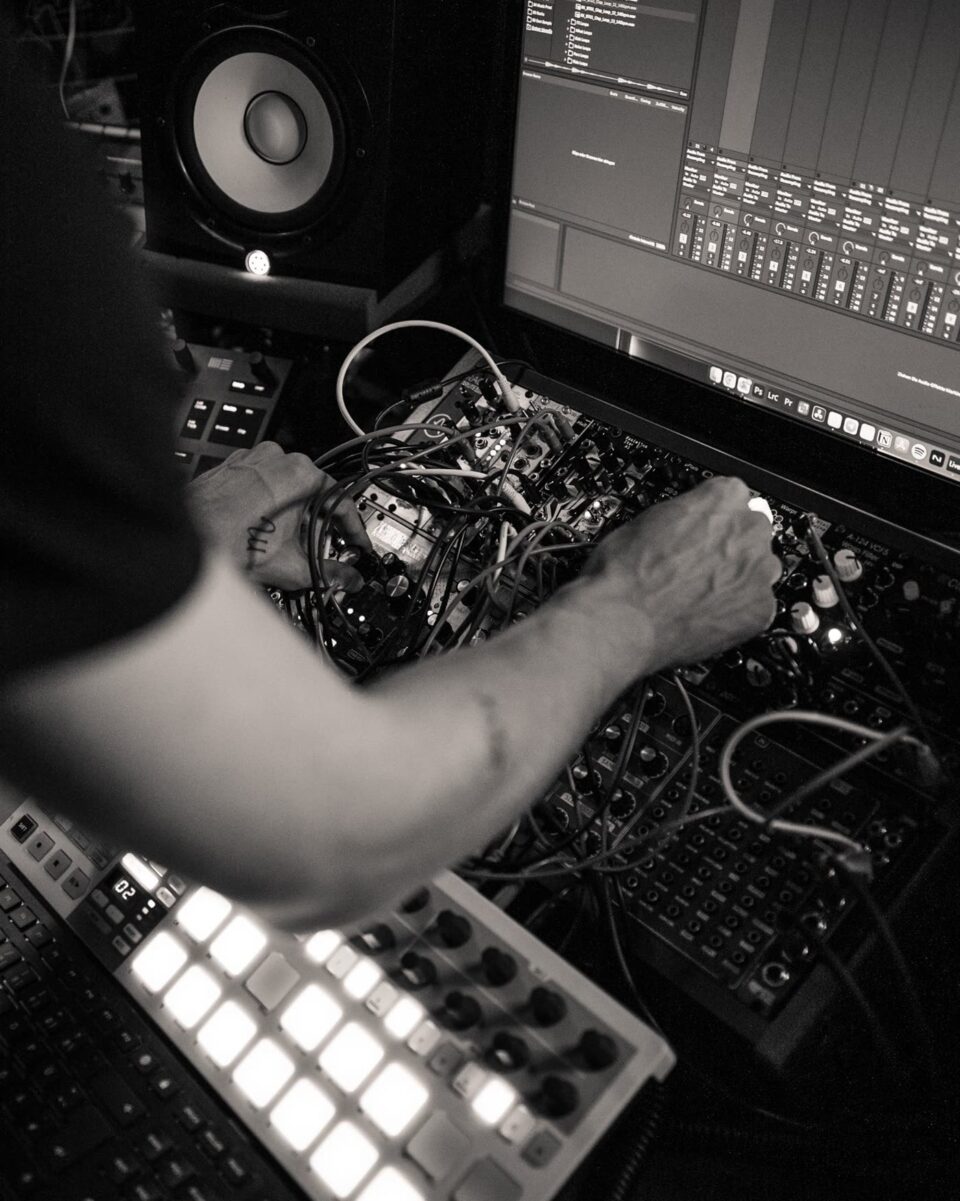
Many modern instruments combine both approaches. The Korg minilogue xd pairs analog oscillators with a digital multi engine. The Arturia MicroFreak uses digital oscillators with an analog filter. Hybrids give you analog character in the filter and amp stage plus the flexibility and stability of digital sound generation.
Which one should you choose?
- You love hands-on jamming and hypnotic basslines: start with a mono analog synth or a semi-modular.
- You want big pads, chords and endless sound design: a digital or hybrid poly synth, or a wavetable plugin, is the better deal.
- You are on a budget or producing on the go: software emulations and digital plugins give you 90% of the vibe for a fraction of the price.
- You want the analog sound without buying gear: use samples recorded from real hardware.
That last option is why we built our Analog Techno Sample Pack Vol. 1. Every one of its 297 loops and one-shots was recorded hands-on from real analog gear, ready to drop into any DAW.
FAQ
Do analog synths sound better than digital synths?
Not automatically. They sound different. Analog adds drift and saturation that many producers love for techno, while digital offers precision and variety. Great tracks are made on both.
Are software synths good enough for professional techno?
Yes. Many released techno tracks are produced entirely in the box. Careful sound design, saturation and mixing matter more than the source.
What is a virtual analog synth?
A virtual analog synth is a digital instrument that models the circuits of classic analog synths in software or DSP, aiming for the same character with the benefits of digital.