
How to Sample Popular Songs in Techno (Without Legal Trouble)
Flipping a famous vocal or chord into a warehouse tool is one of the oldest tricks in techno. Here is how sampling really works, when you need permission, and how to do it creatively and safely.
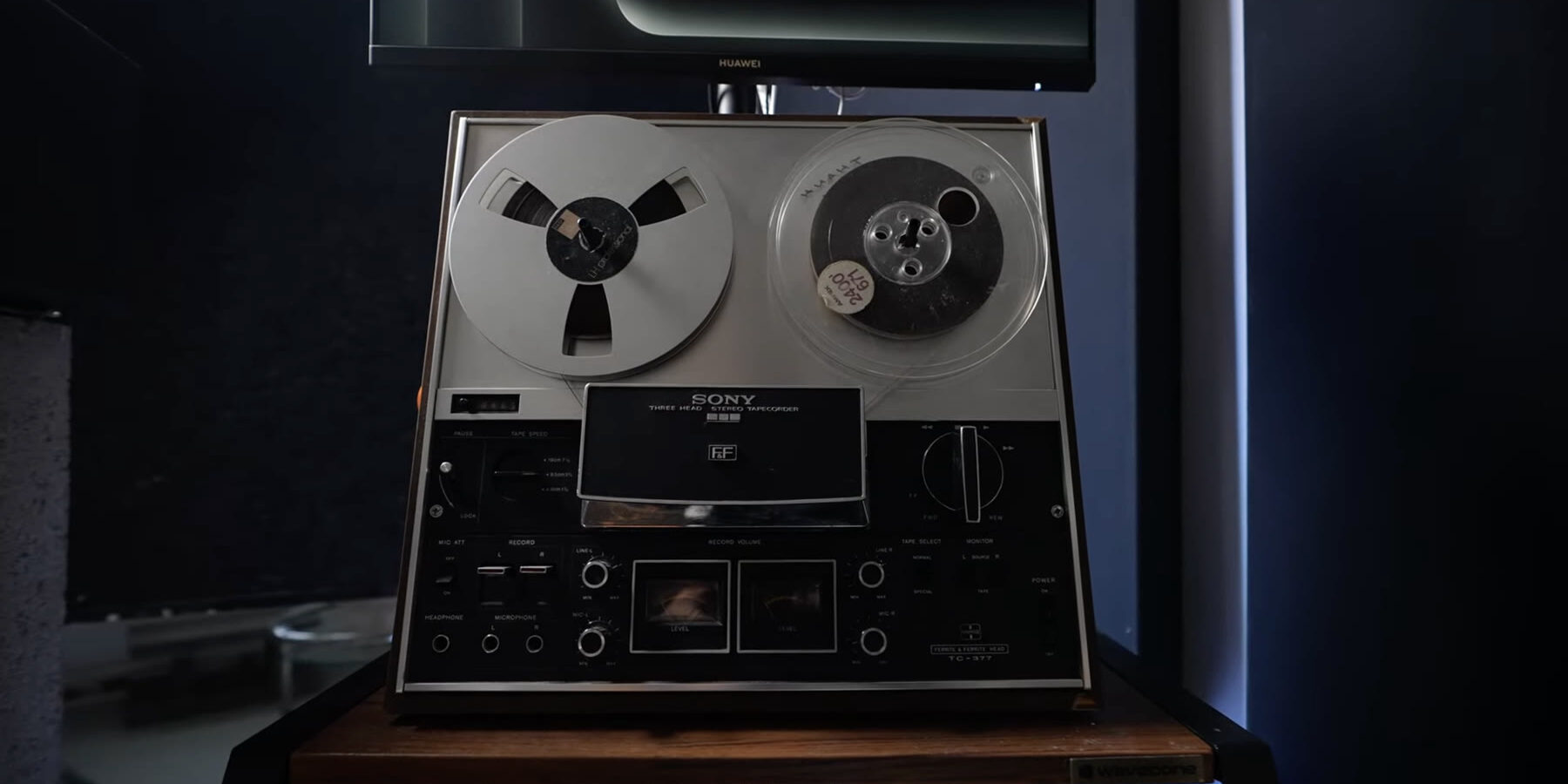
Sampling is baked into the DNA of electronic music. Early house and techno producers built entire records from chopped disco breaks, stolen vocal snippets and looped chords from records they loved. Today, a well placed sample of a popular song can still turn a solid techno track into the one everybody asks about after the set.
But sampling also has a reputation for ending in angry letters from lawyers. This guide explains how sampling actually works, when you need permission, how to clear a sample, and the creative techniques that let you get the magic of a famous song without the headache.
Key takeaways
- A recording contains two copyrights: the master and the composition. A sample usually touches both.
- There is no safe “number of seconds”. Even very short, recognisable samples can need permission.
- Clearing a sample means getting a license from the label and the publisher.
- Heavy transformation, replaying (interpolation) and royalty-free sample packs are your safest creative options.
What counts as sampling?
Sampling means taking a piece of an existing sound recording and reusing it in your own track. That can be a one-bar drum loop, a vocal phrase, a single chord stab or even a two-second texture from the intro of a pop song.
Every commercially released song carries two separate copyrights:
- The master recording (the actual audio), usually owned by the record label.
- The composition (melody, lyrics, chords), usually owned by the songwriters and their publisher.
When you drop a slice of the original audio into your project, you are using both. When you replay a melody yourself on a synth, you only use the composition. That difference matters a lot once we get to clearing.
Do you need permission to sample a song?
The honest answer: if the sample is recognisable, almost always yes. The popular myth that anything under two, five or seven seconds is fine has no legal basis.
In the EU, the Court of Justice ruled in 2019 in the famous Kraftwerk “Metall auf Metall” case that even a very short audio fragment can require permission, unless it is changed so much that it is no longer recognisable. Germany has since added a pastiche exception to its copyright law, but courts are still defining how far it reaches. In the US, courts have also been strict about sampling sound recordings.
For you as a producer this means: small, obscure or heavily processed samples in a club tool that never gets released are low risk. A clearly recognisable hook from a chart hit on a release that gets signed, streamed and played at festivals is very high risk without a license.
This article is a practical overview, not legal advice. If a release with a sample starts getting traction, talk to a music lawyer or a sample clearance service.
How to clear a sample
Clearing sounds intimidating, but the process is straightforward:
- Identify the owners. Look up the release on Discogs or the label’s website to find the master owner. Search collecting society databases such as GEMA, ASCAP or BMI to find the publisher of the composition.
- Reach out with details. Send both parties a short description of your track, how long the sample is, how it is used, and how you plan to release it. Include a private link to a demo.
- Negotiate. Expect either an upfront fee, a share of royalties, a share of publishing, or a mix. Big hits cost more, smaller catalogue records can be surprisingly affordable.
- Get it in writing. Only release once you have signed licenses from both sides.
If you do not want to handle this yourself, sample clearance services and platforms that offer pre-cleared samples from original records can do the legwork for you.
Creative ways to sample popular songs
Whether you clear a sample or use it as inspiration for a replay, the creative part is where techno producers shine. These techniques work great in Ableton Live, but every DAW can do them.
Chop it into a playable instrument
Load a vocal or chord phrase into Simpler, switch to Slice mode and trigger the slices from a drum rack or a MIDI clip. Rearranging syllables or chord hits turns a familiar phrase into a new hypnotic pattern that fits a 4/4 groove.
Stretch it into a texture
Warp a few bars with the Texture or Complex Pro algorithm and slow them down dramatically. A pop chorus stretched to four times its length becomes a dark, evolving pad that sits perfectly under a rolling techno groove.
Take a single stab
Sometimes one chord is all you need. Find a clean hit, cut it tight, add a short reverb and resample it. Pitch it around and play it rhythmically, just like the classic Detroit chord stabs.
Filter, distort and resample
Band pass the sample, drive it through saturation, and record the result to a new audio track. Repeat. After two or three rounds of resampling, the source becomes part of your sonic fingerprint.
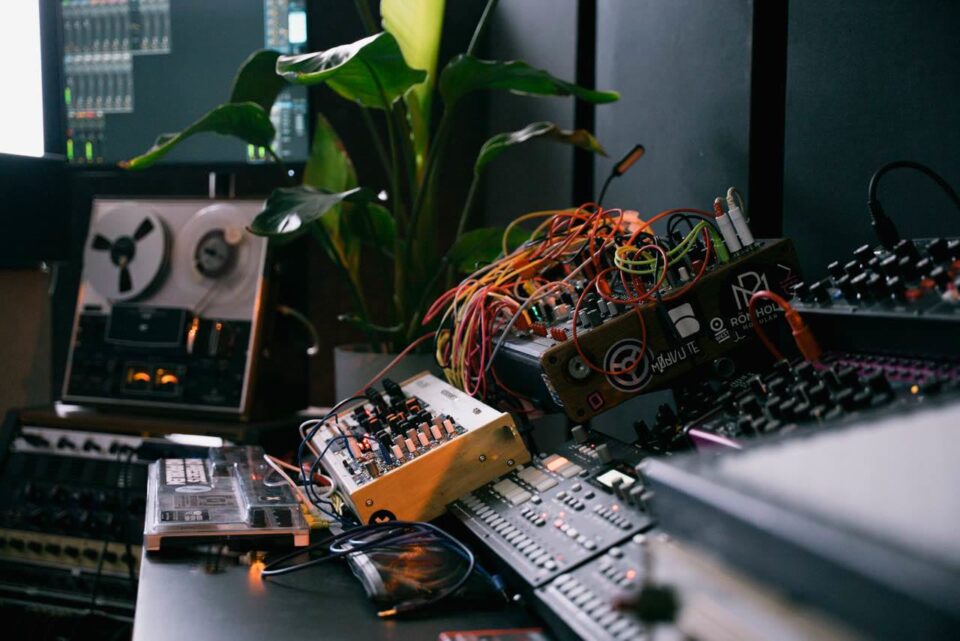
Replaying instead of sampling: interpolation
If you love the melody but not the paperwork, replay it. Recreating a hook with your own synths, drum machines or vocals is called interpolation. You avoid the master recording completely and only need permission from the publisher for the composition. That is usually easier and cheaper to get.
Interpolation also gives you full control: you can change the sound, add movement and make the hook sit perfectly in a techno arrangement.
The easy route: royalty-free samples
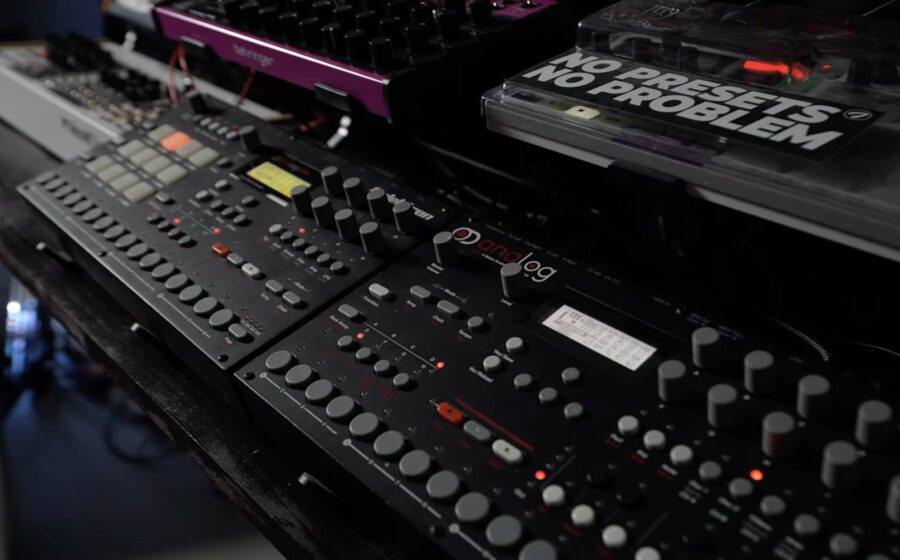
For most of your productions you do not need a famous song at all. What you need is character: a kick with weight, a bassline that moves, synth loops that feel alive. That is exactly what royalty-free sample packs are for. You can use every sound in your releases without clearing anything.
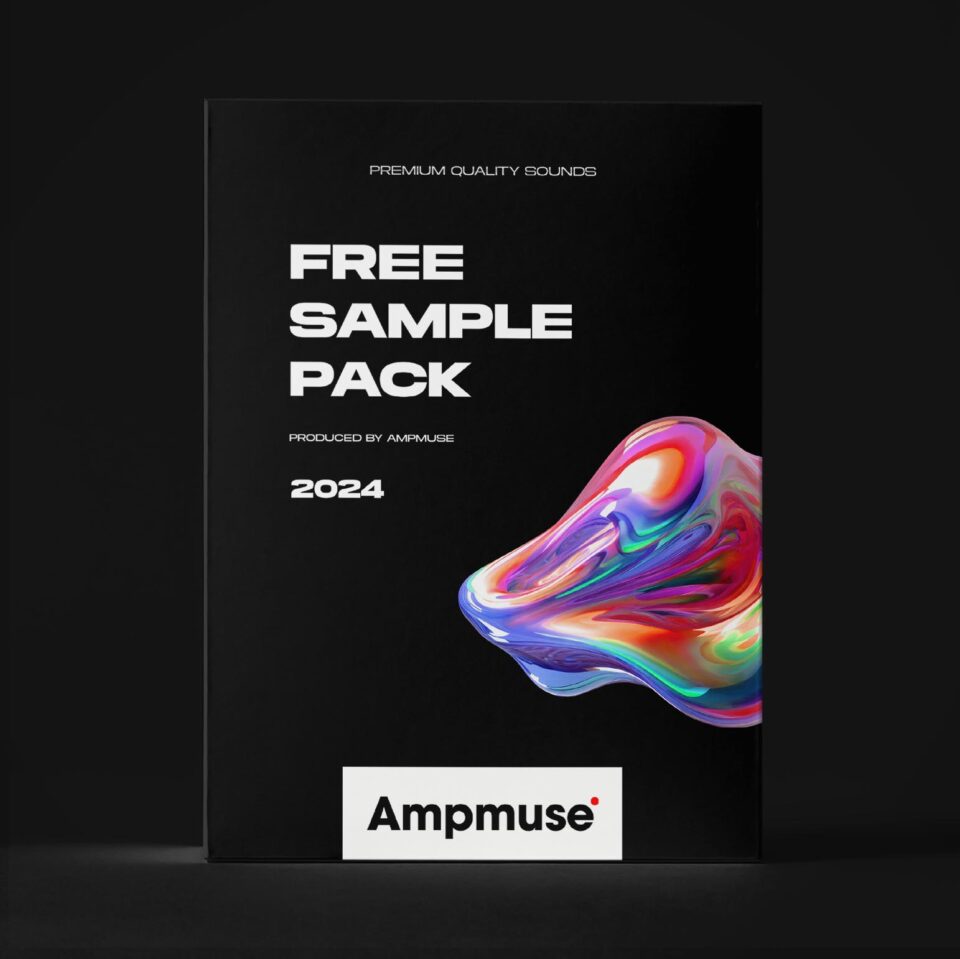
Our Analog Techno Sample Pack Vol. 1 contains 297 samples recorded on real analog hardware, all 100% royalty-free. Want to try the sound first? Grab the free Ampmuse sample pack.
FAQ
Can I sample a song if I change it a lot?
If the result is no longer recognisable, your risk drops significantly. But “changed a lot” is a judgment call. If people can still name the original, treat it as a sample that needs clearing.
Is sampling okay in DJ edits and bootlegs?
Edits played in your own sets are common practice and rarely a problem. Selling or distributing them on streaming platforms without licenses is where trouble starts.
Do royalty-free samples need credits?
No. Royalty-free means you can use the sounds in your own music without paying royalties or crediting the creator. Reselling the samples themselves is not allowed.